
Sail-back dinosaur got flashier with age
Detailed examination of this cousin of Iguanodon shows that its big sail evolved to show off to mates and rivals.
Read the article →Science & Natural History Writer
Science writer and educator in New York City, focused on paleontology and the early evolution of animals.
See the work →
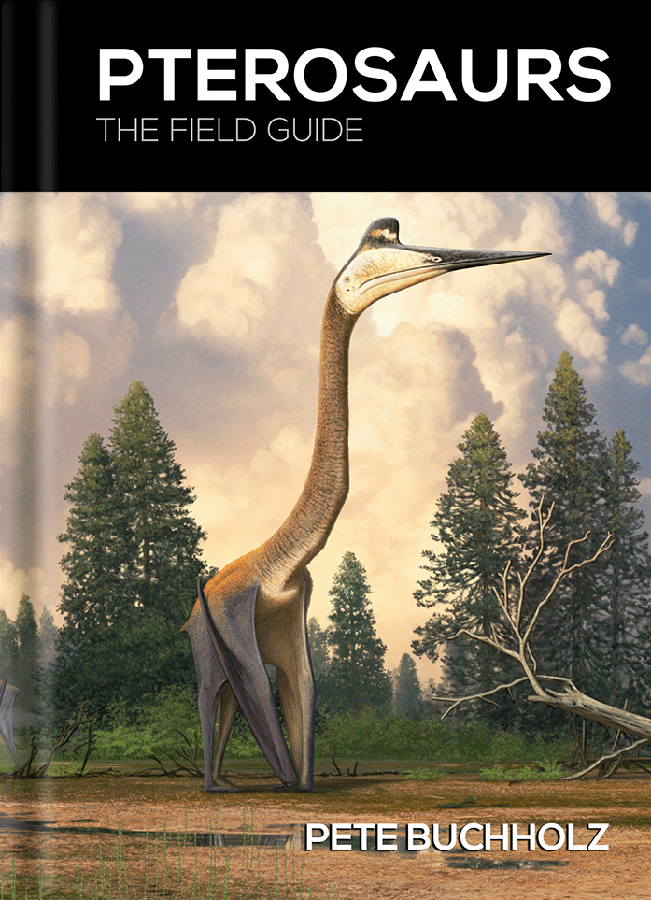
Cover art: Khouribga Basin Pterosaurs by Rudolf Hima
Learn more →
Detailed examination of this cousin of Iguanodon shows that its big sail evolved to show off to mates and rivals.
Read the article →
Two Moroccan phosphate mines have yielded dozens of specimens from at least seven different pterosaur species in three different families. The high diversity of sizes and ecological roles found there suggests that pterosaurs remained competitive with birds at medium and large body sizes until the mass extinction at the close of the Mesozoic Era.
Read the article →
Hyoliths, an enigmatic group of Paleozoic invertebrates, have long puzzled paleontologists. A new analysis of hundreds of specimens shows that they are close relatives of brachiopods or lamp shells.
Read the article →
Baleen whales underwent a number of evolutionary transitions on the journey from small hunters to giant filter-feeders. Recent research shows that there were a large number of experimental methods of feeding, including the origin of filter feeding long before the origin of baleen.
Read the article →
Recent discoveries in Montana and Idaho have uncovered a previously unknown behavior in dinosaurs: digging. These creatures, known as orodromines, had robust and muscular arms, shoulders, and hips that were well-suited to digging out burrows. Fossil remains of adults and juveniles suggest that these peculiar dinosaurs took care of their young.
Read the article →Scripts written for PBS Eons.
For decades, one of the most abundant kinds of fossils on Earth, numbering in the millions of specimens, was a mystery to paleontologists. But geologists discovered that these mysterious fossils could basically be used to tell time in the deep past.
Watch on YouTube →
The study of natural history is the study of how the world has changed — but Earth itself is in a constant state of flux, because the ground beneath your feet is always moving. So if we want to know how we got here, we have to understand how “here” got here.
Watch on YouTube →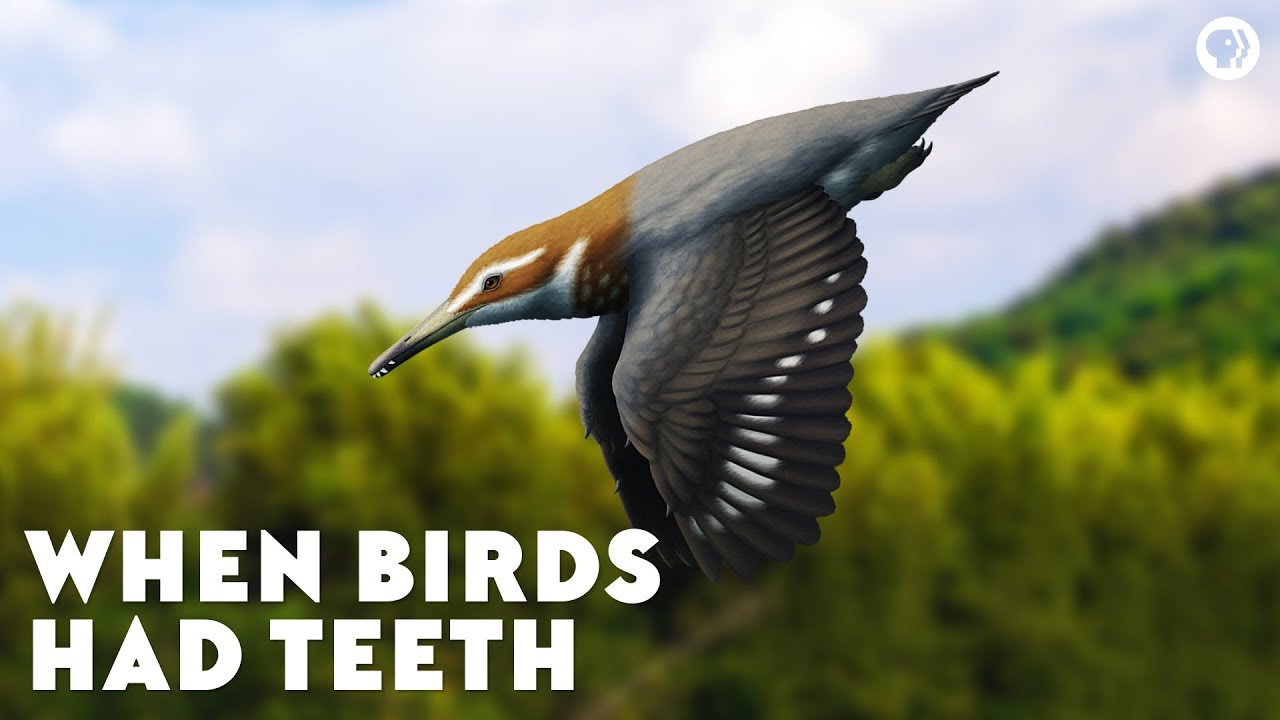
Experts are still arguing over whether Archaeopteryx was a true bird, or a paravian dinosaur, or some other kind of dino. But regardless of what side you’re on, how did this fascinating, bird-like animal relate to today’s birds? It turns out its teeth were a clue that this story goes all the way back to the non-avian dinosaurs.
Watch on YouTube →
What if I told you that, more than two billion years ago, some tiny living thing started to live inside another living thing … and never left? And now, the descendants of both of those things are in you?
Watch on YouTube →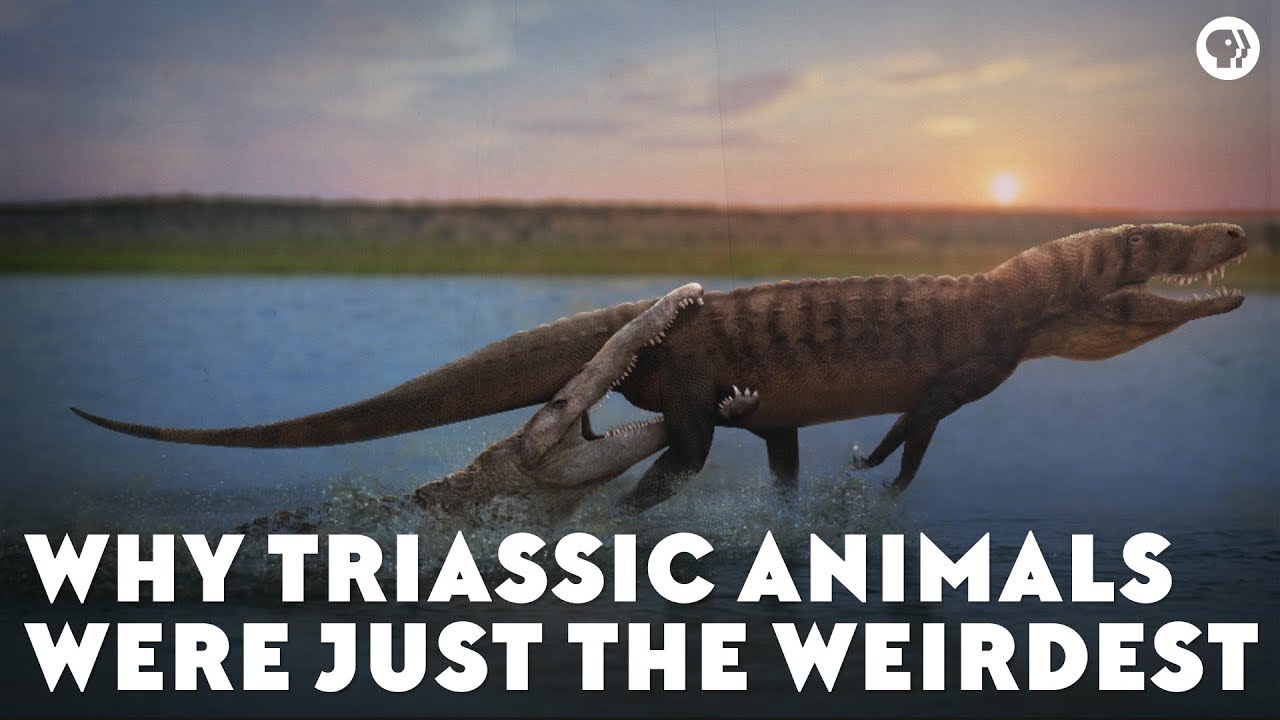
The Triassic was full of creatures that look a lot like other, more modern species, even though they’re not closely related at all. The reason has to do with how evolution works and with the timing of the Triassic itself: when life was trapped between two mass extinctions.
Watch on YouTube →Exhibition text for the American Museum of Natural History and the ScienceWorks Hands-on Museum.
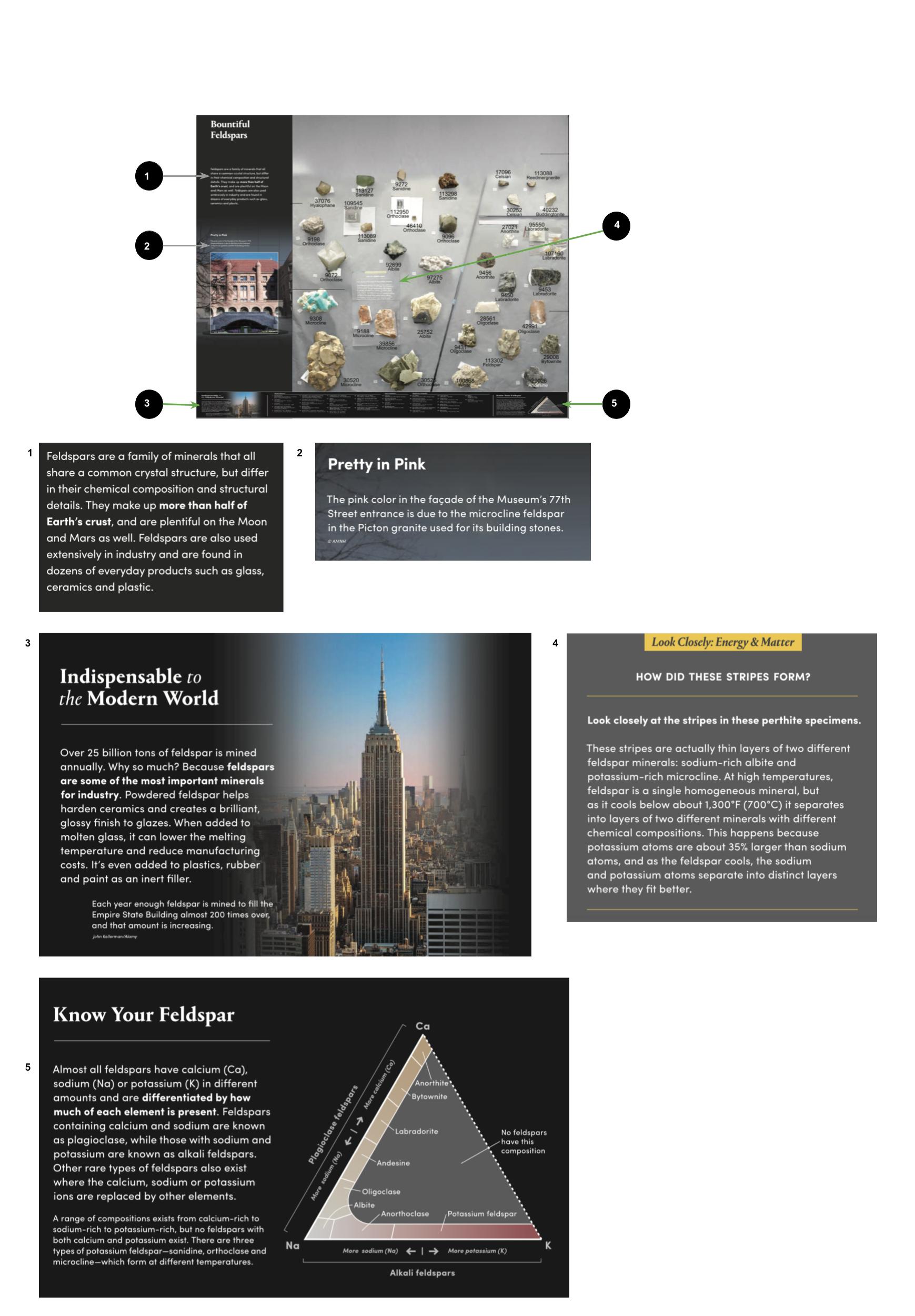
A case focusing on the abundant and useful feldspar minerals. This case features stories on their physical and chemical properties, as well as their numerous industrial uses.
View PDF →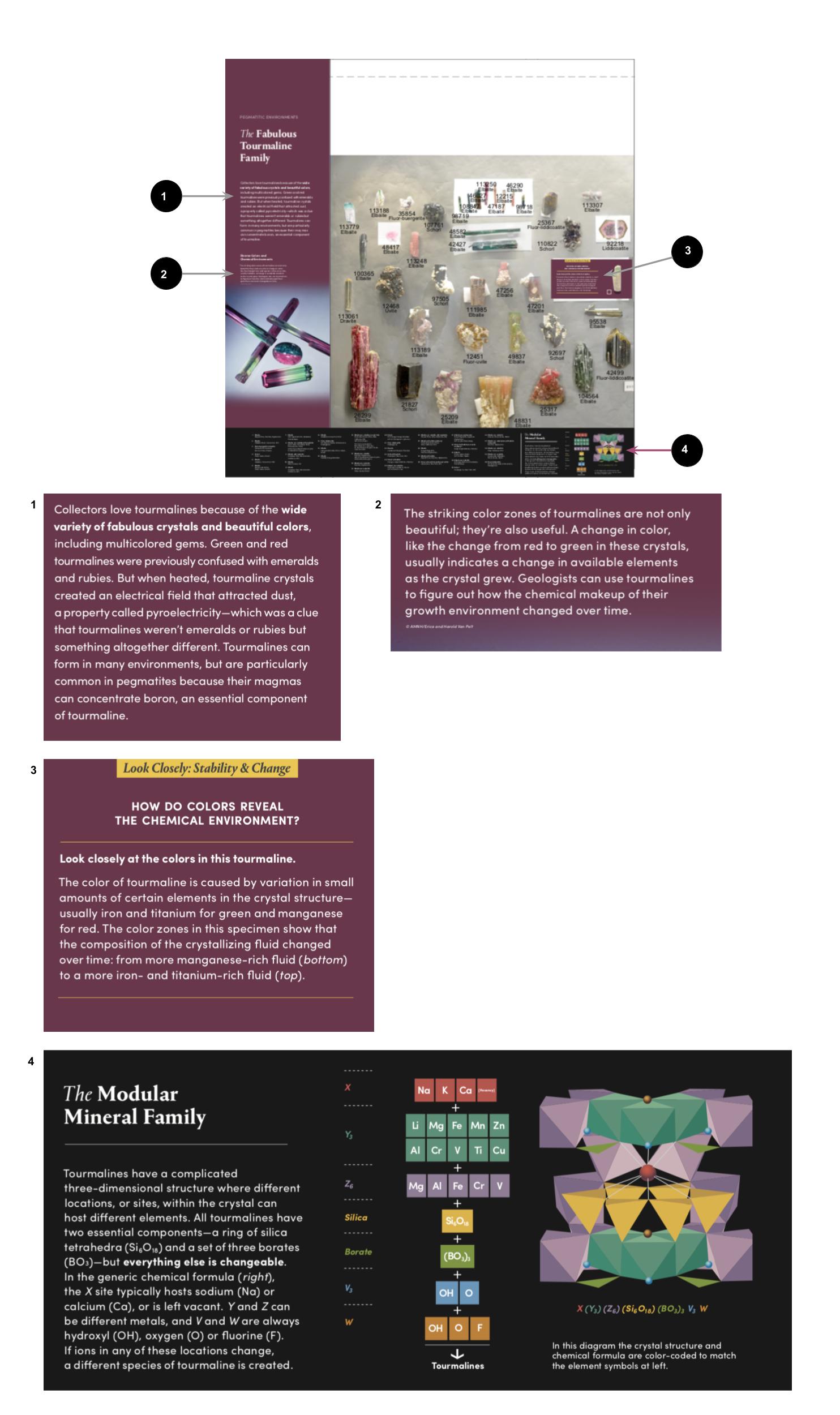
A case dedicated to the tourmaline minerals, which are usually found in pegmatitic rocks. It features stories on the importance of tourmalines as both gems and geological recorders, as well as their modular chemical structure.
View PDF →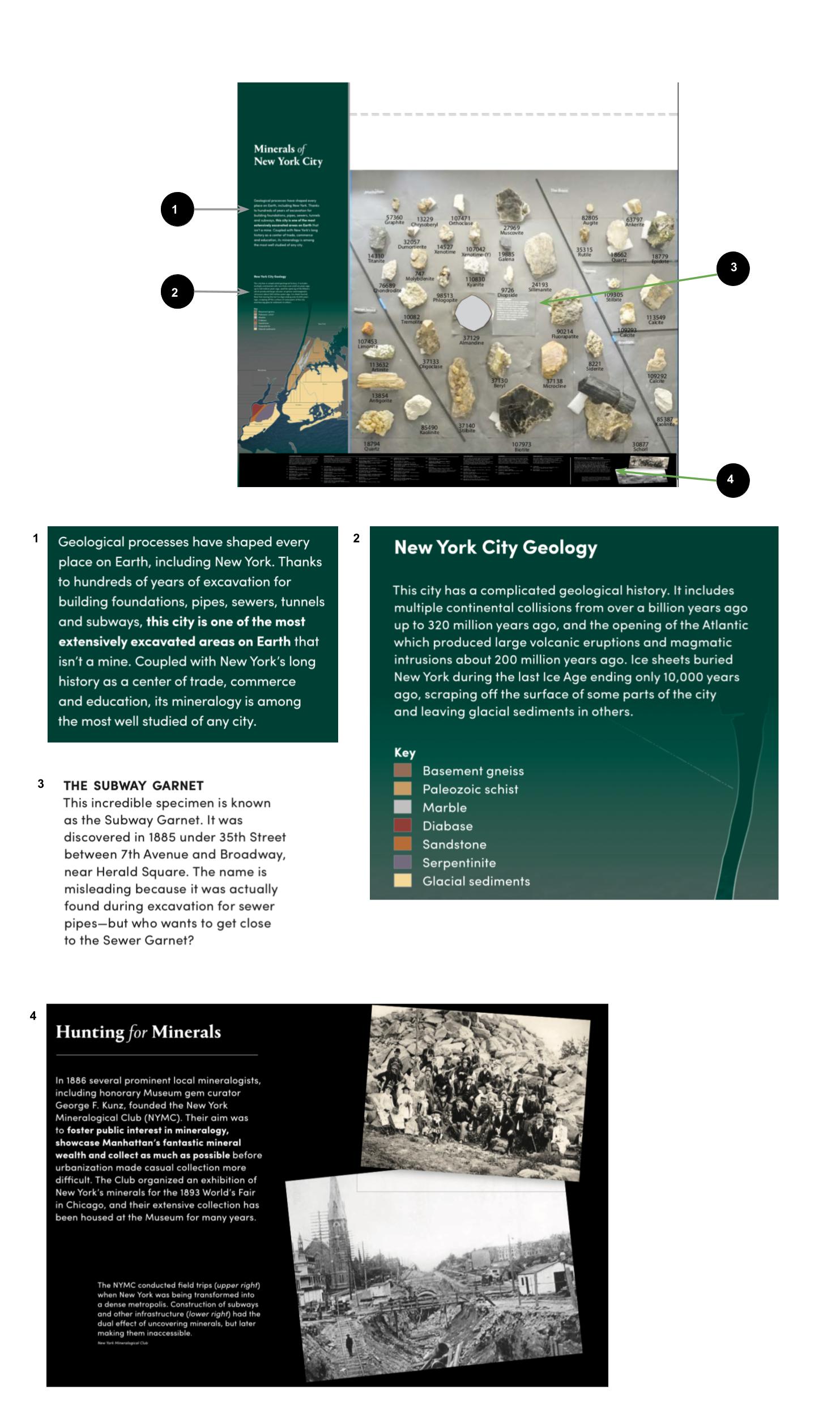
A case showing off the incredible diversity and abundance of minerals discovered in New York City. This case features stories on the geology of New York City, its history of mineral collecting, and the enormous Subway Garnet.
View PDF →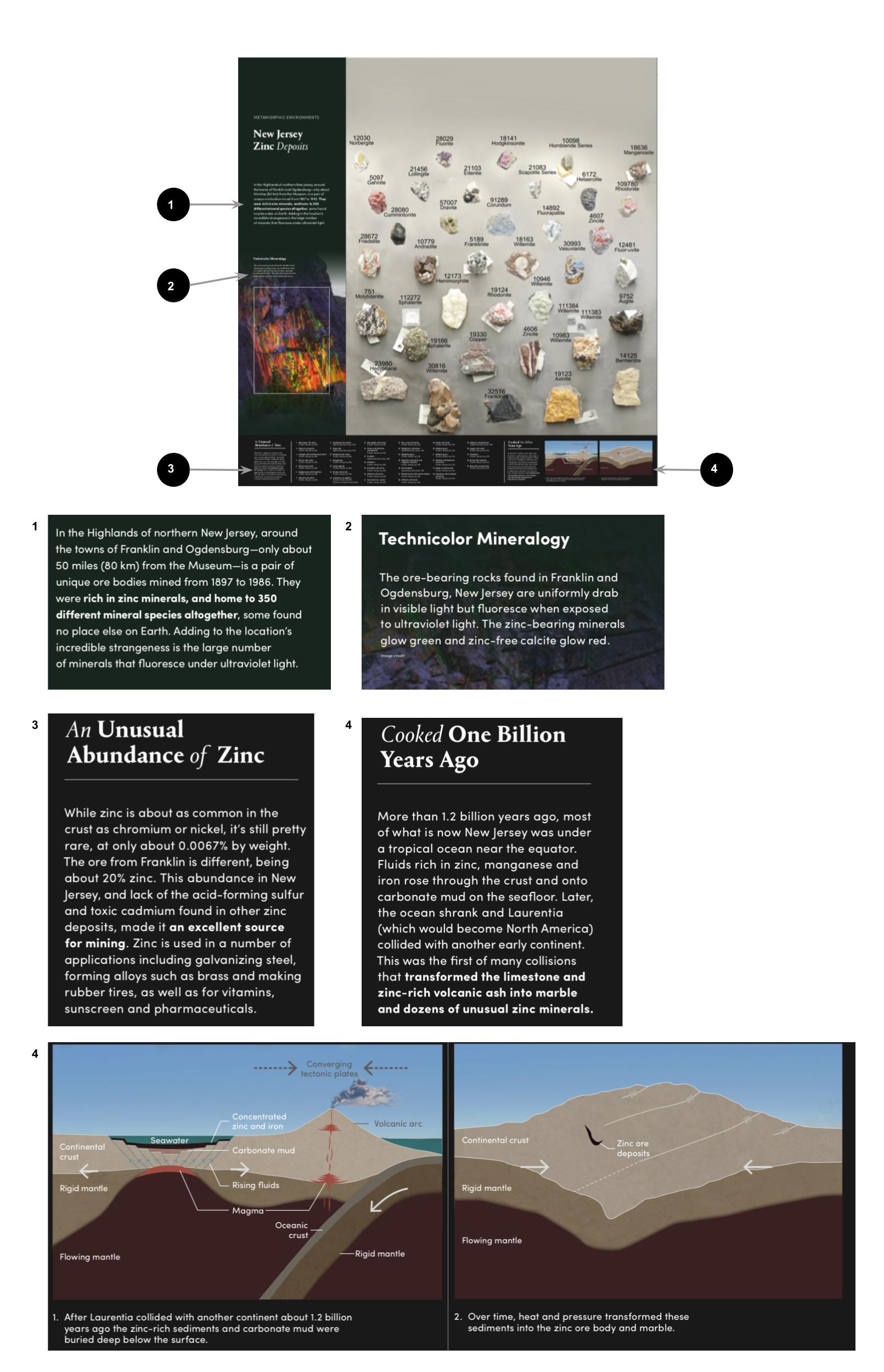
A case focusing on the unique zinc ore deposits in and around Franklin, New Jersey. This case features stories on the formation of the deposits, their importance as a source of zinc, and their unique and unusual properties.
View PDF →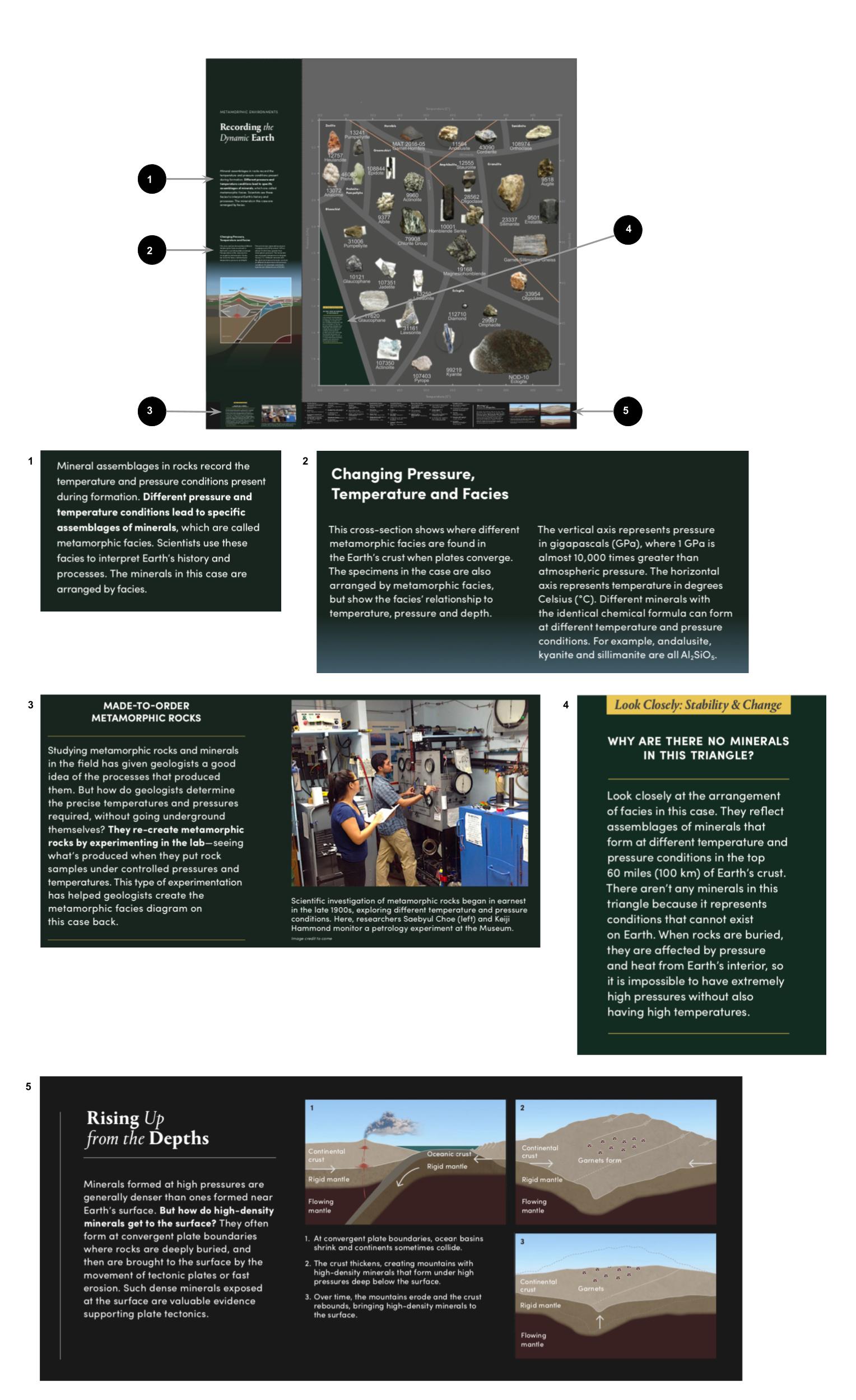
A case focusing on the characteristic mineral assemblages in different metamorphic facies. Stories detail the assemblages formed at different temperature and pressure conditions in the crust and how these assemblages were discovered.
View PDF →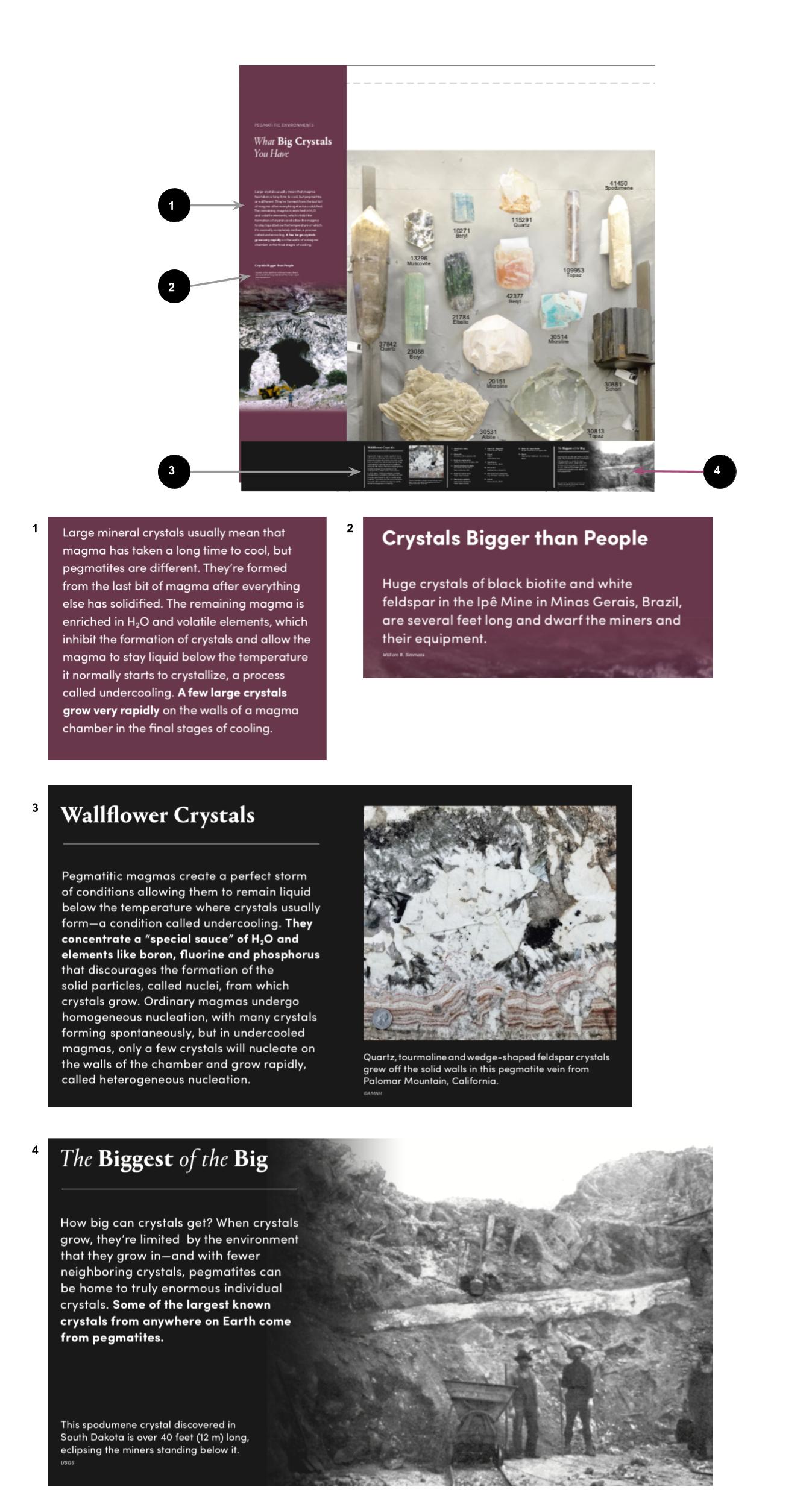
A case focusing on the large crystals commonly found in pegmatites. This case includes stories on the chemistry of pegmatitic melts, the unusual speed of crystal formation, and the truly enormous size of some pegmatitic crystals.
View PDF →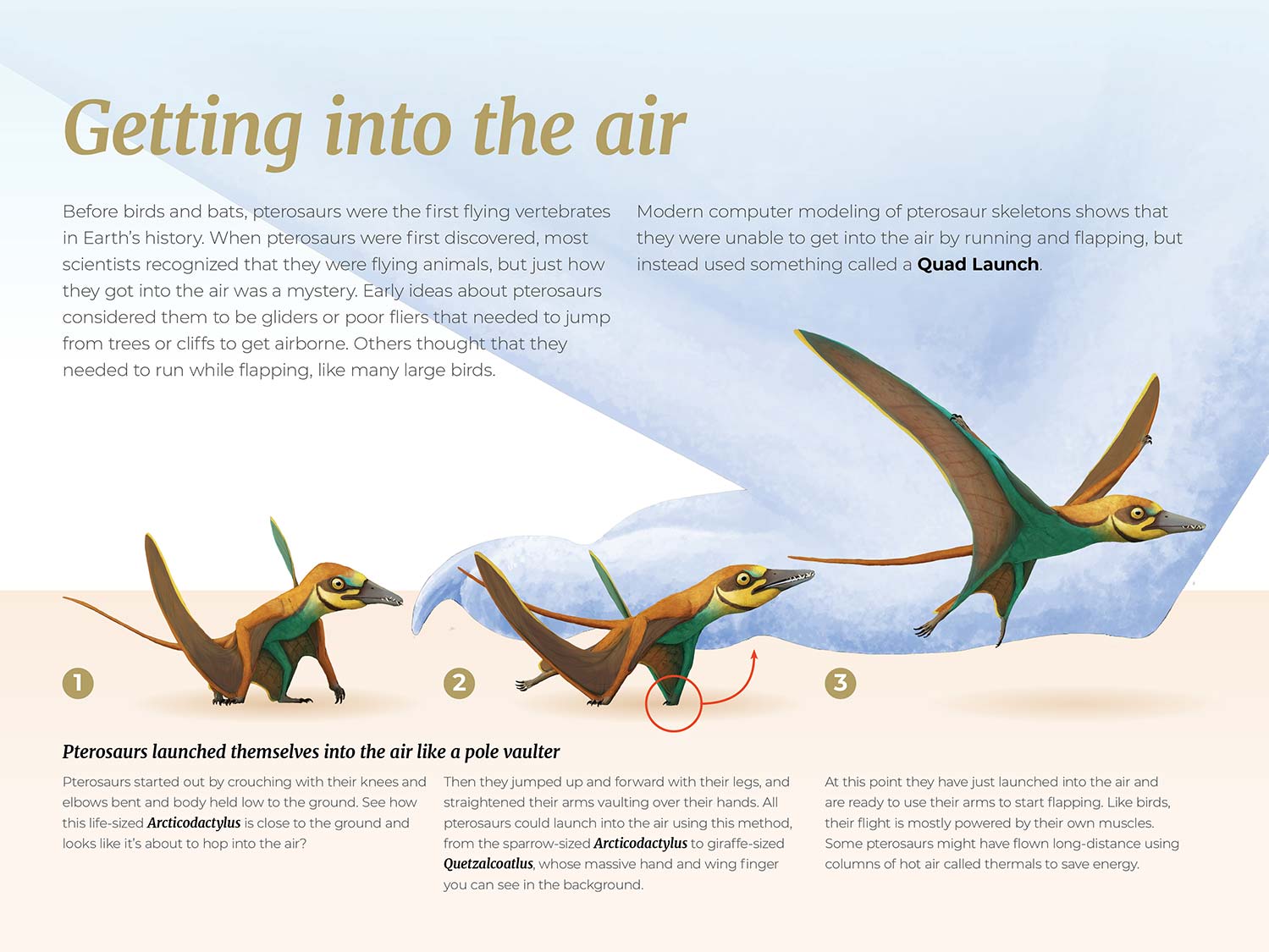
A plaque showing the steps pterosaurs used to get airborne, a method called quad launch.
View plaque →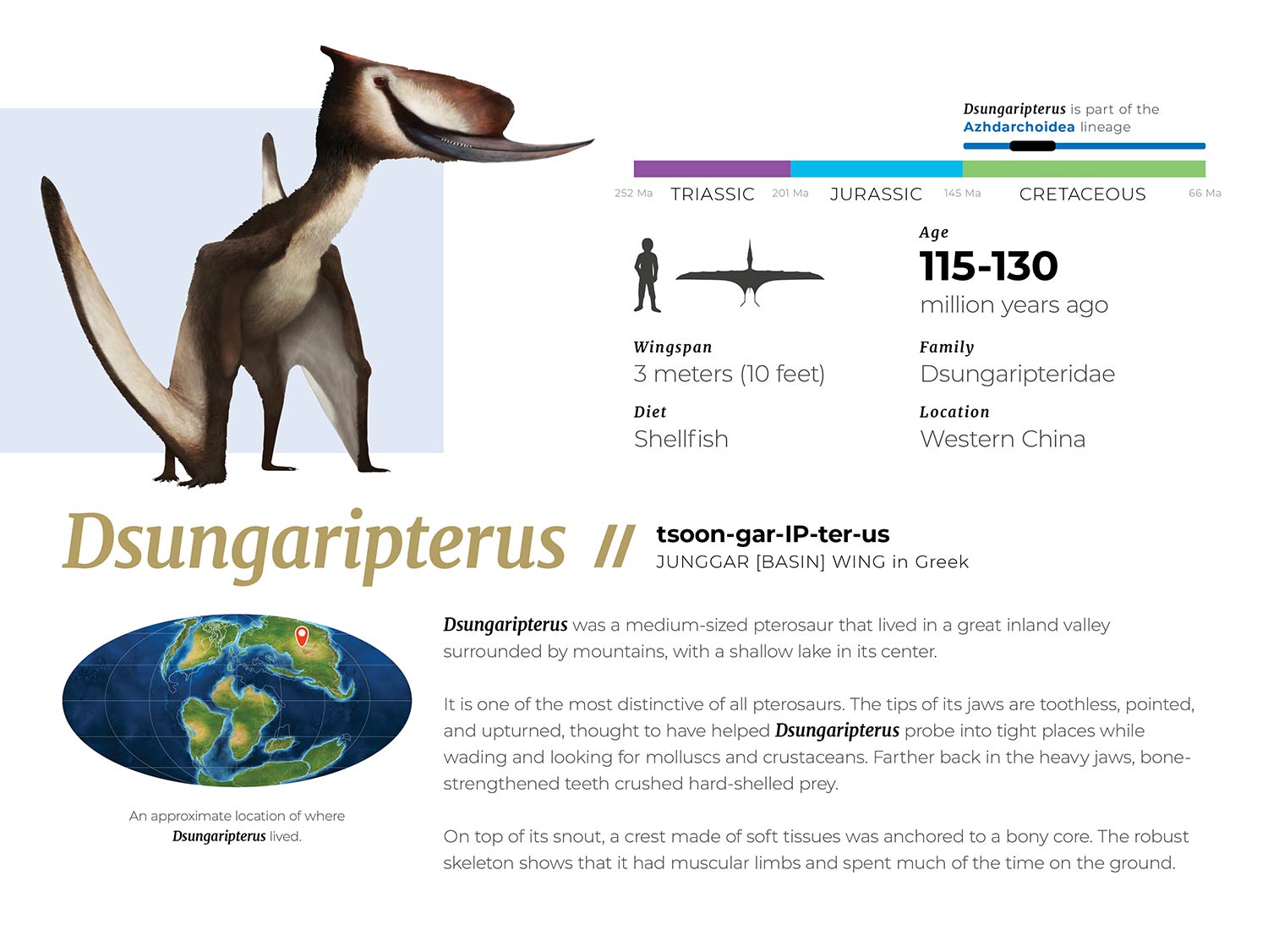
One of several plaques describing the pterosaur genera represented by fossil casts in the exhibit — in this case the crested, shellfish-eating Dsungaripterus.
View PDF →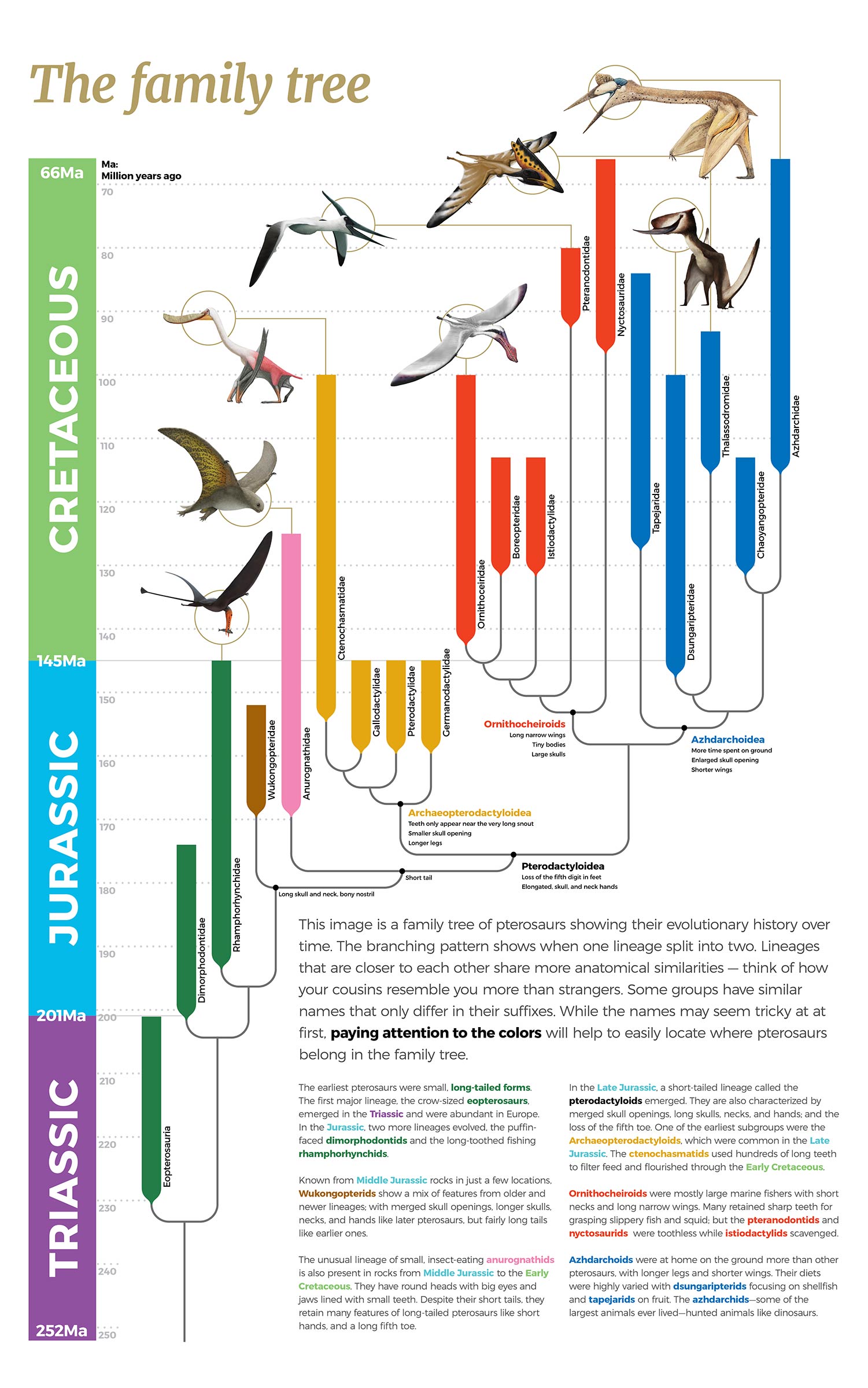
A scrim detailing the family tree of the pterosaurs. The text describes different lineages of pterosaurs, their features, and their place in time.
View scrim →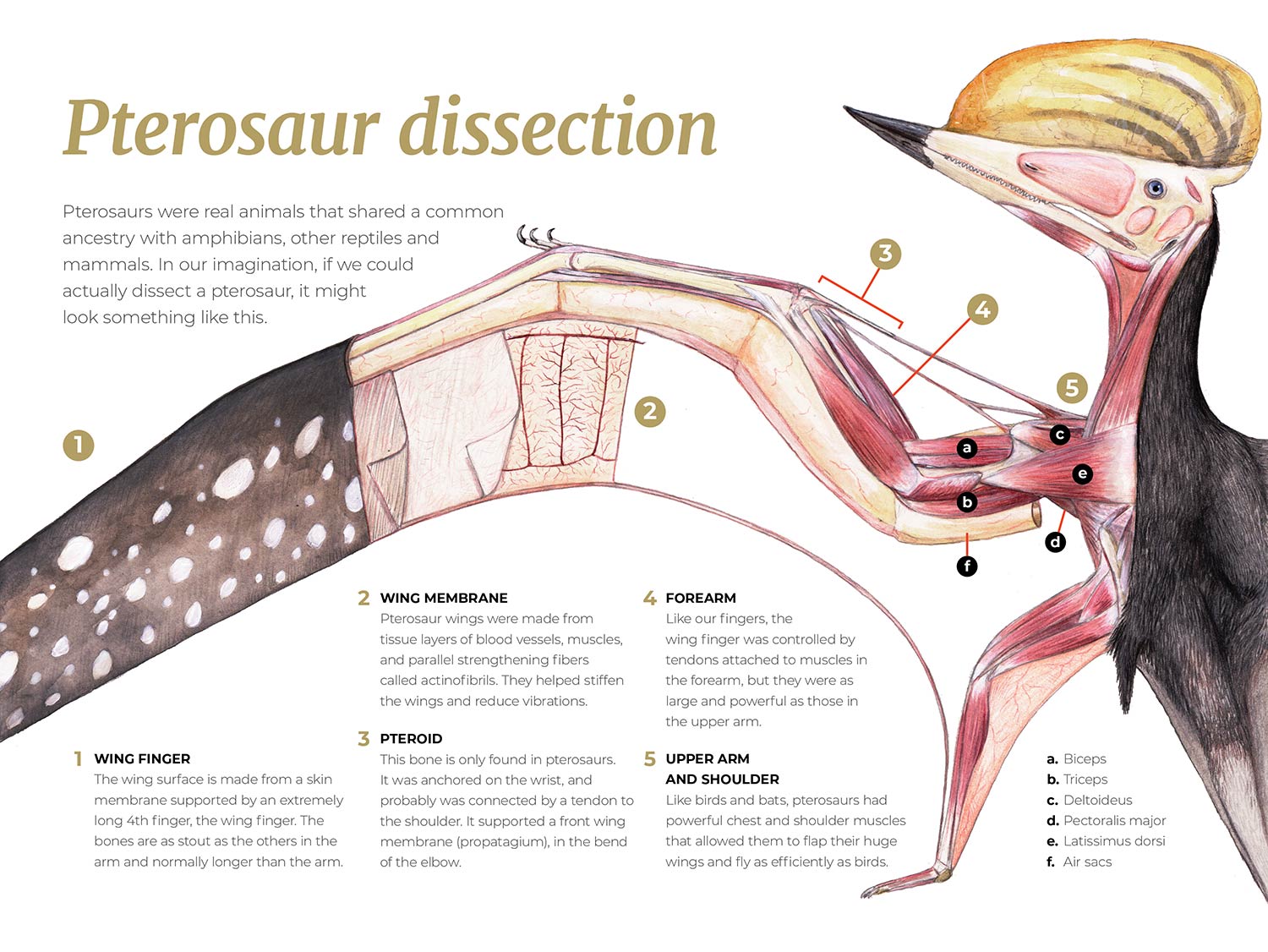
A plaque detailing the complex internal structure of the wings of pterosaurs in the manner of a dissection manual.
View PDF →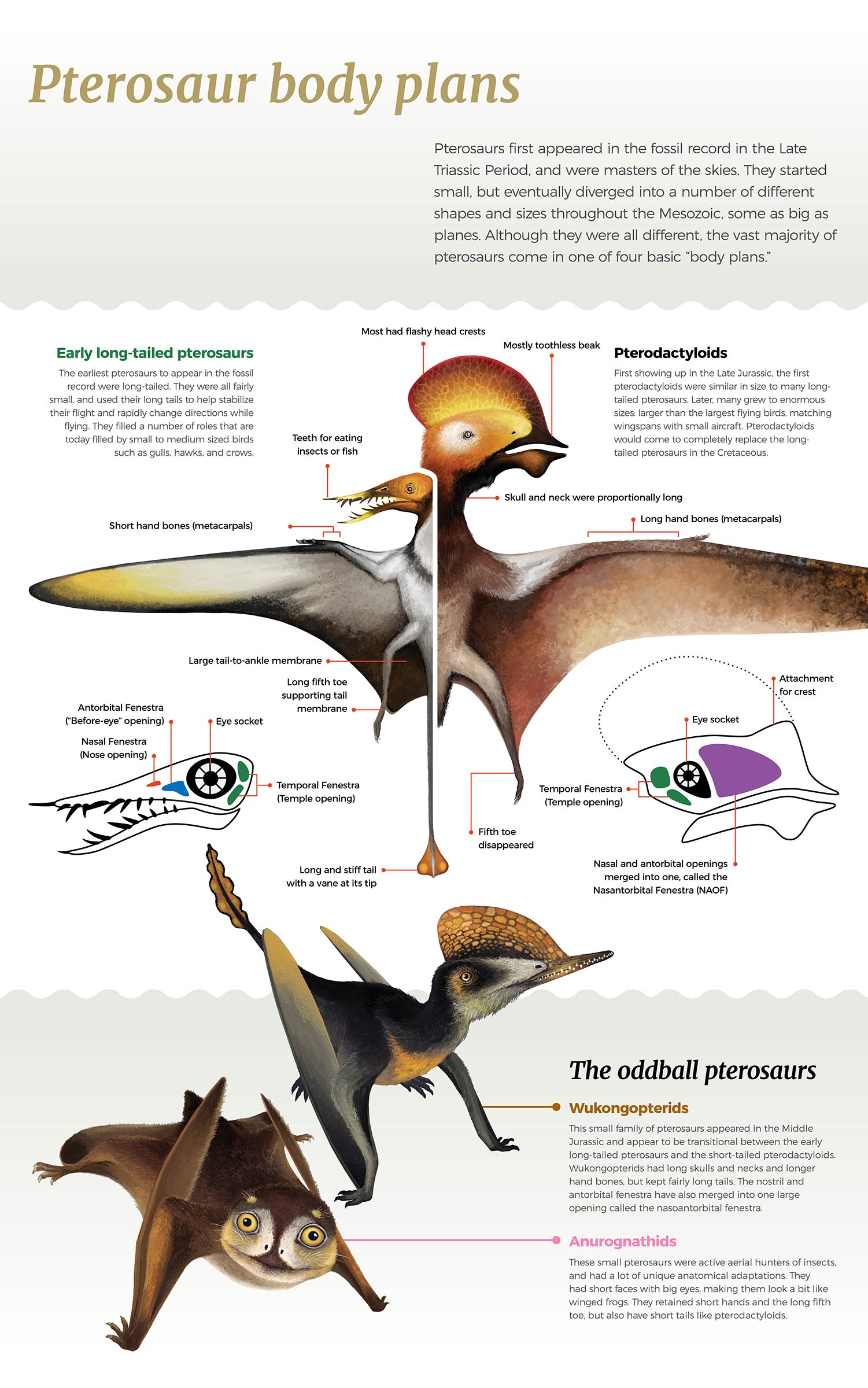
A scrim showing the different body plans of the major lineages of pterosaurs.
View scrim →
Pete Buchholz is a science writer and educator based in New York City. From a young age, he had a keen interest in science from tide-pooling to Mr. Wizard. His current scientific interests range from astronomy to geology to biology, but primarily paleontology with a focus on the early evolution of animals as well as Mesozoic archosaurs.